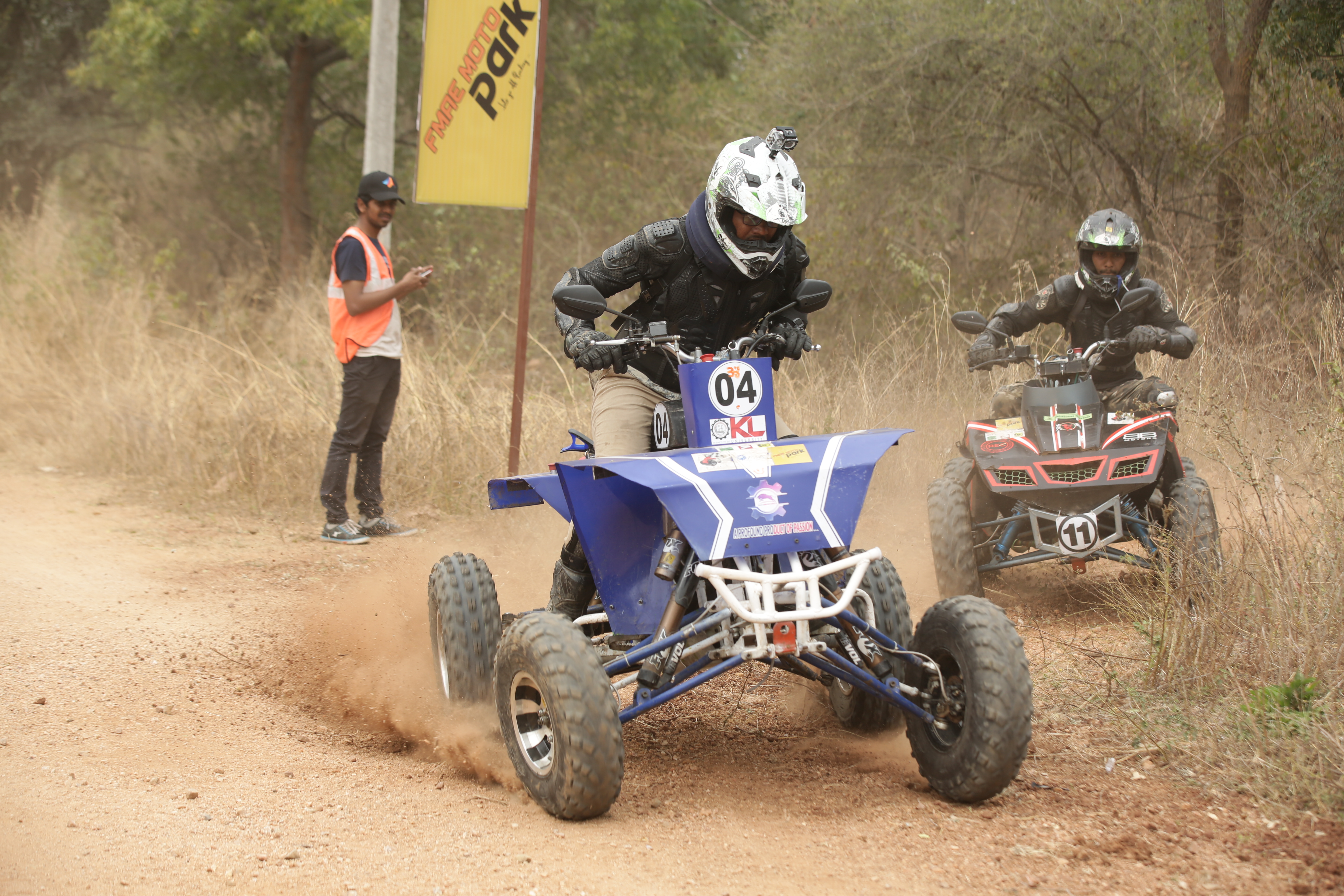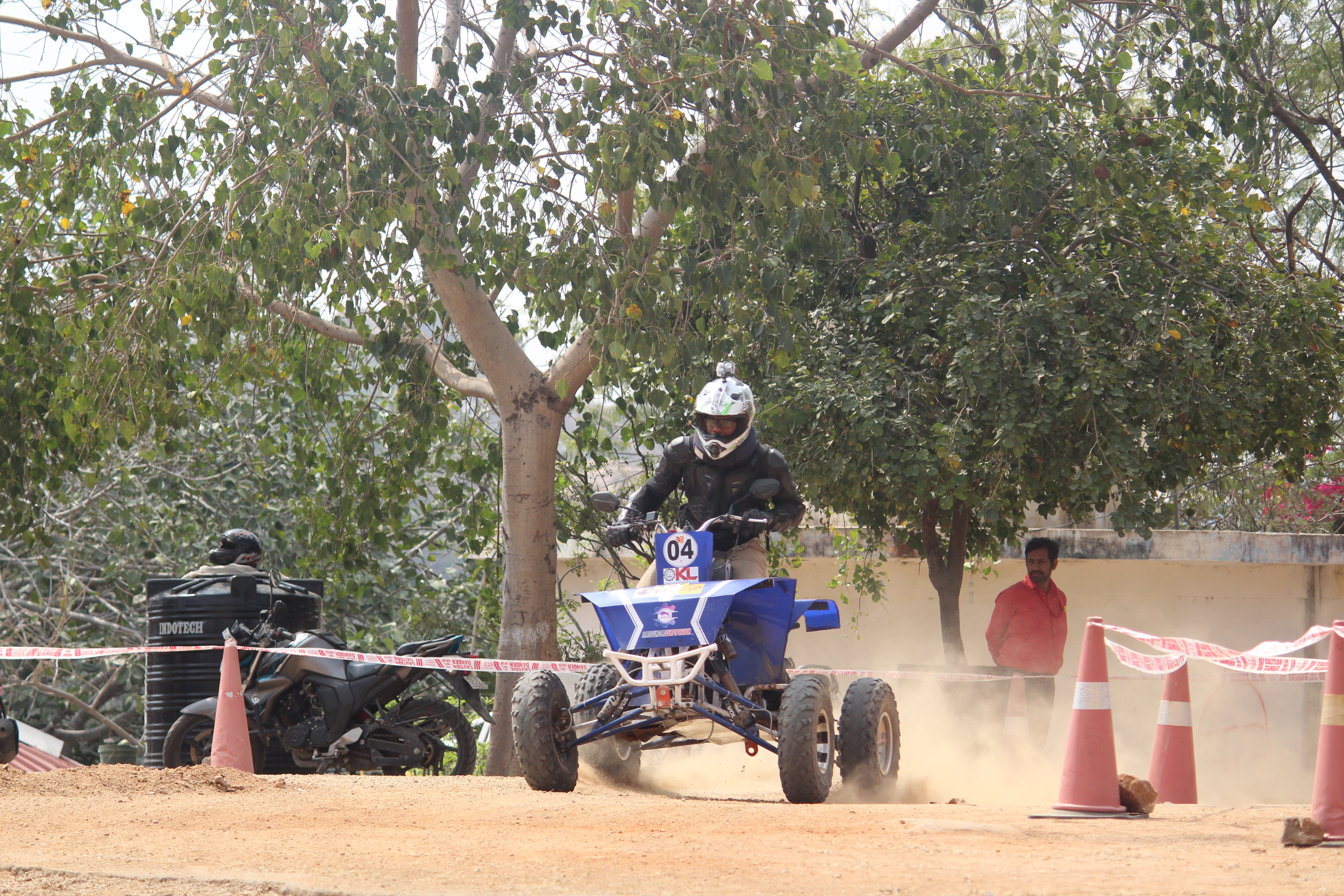
Design of Quad Bike(ATV)
Role: Designer and Test Engineer
Role: Designer and Test Engineer
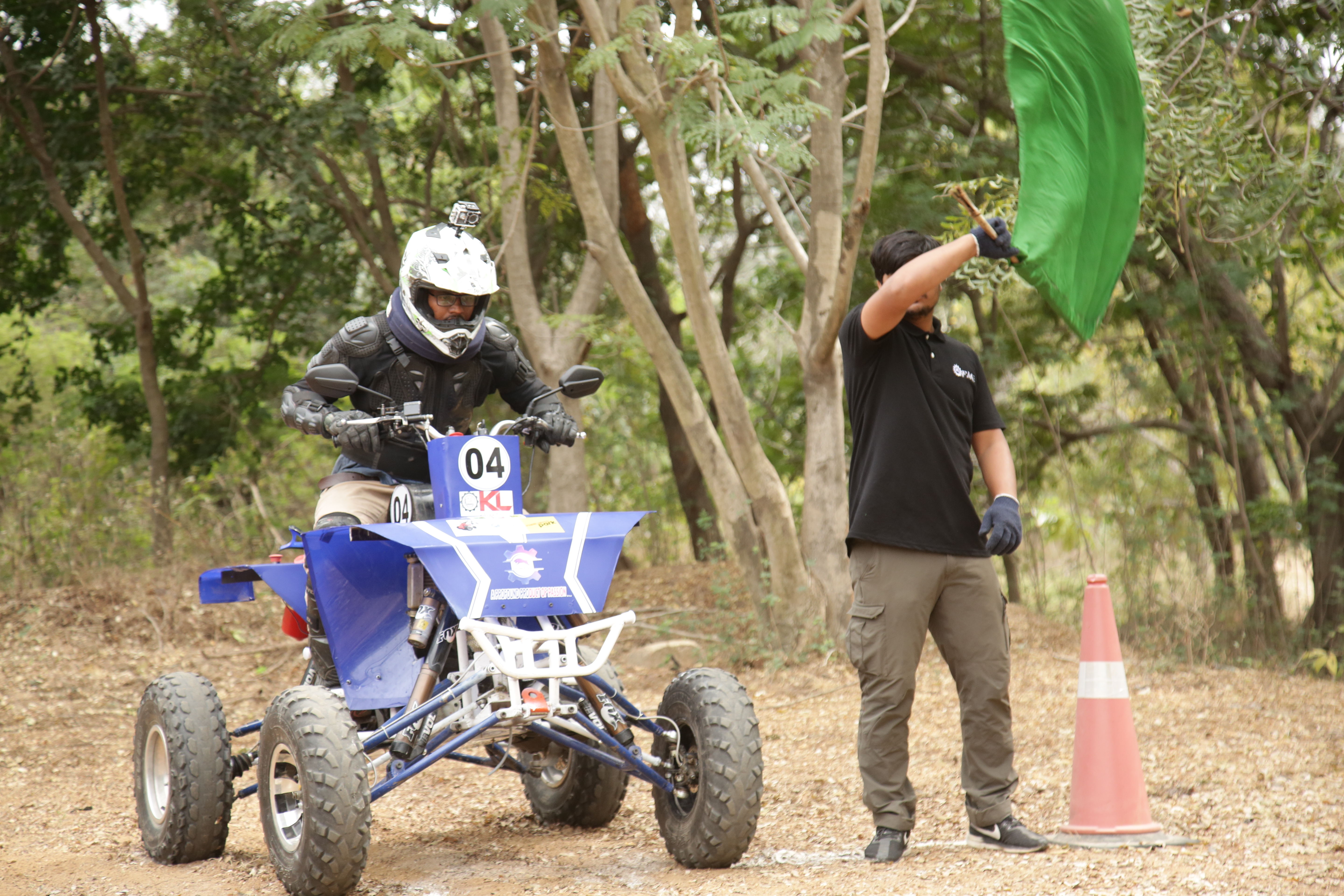
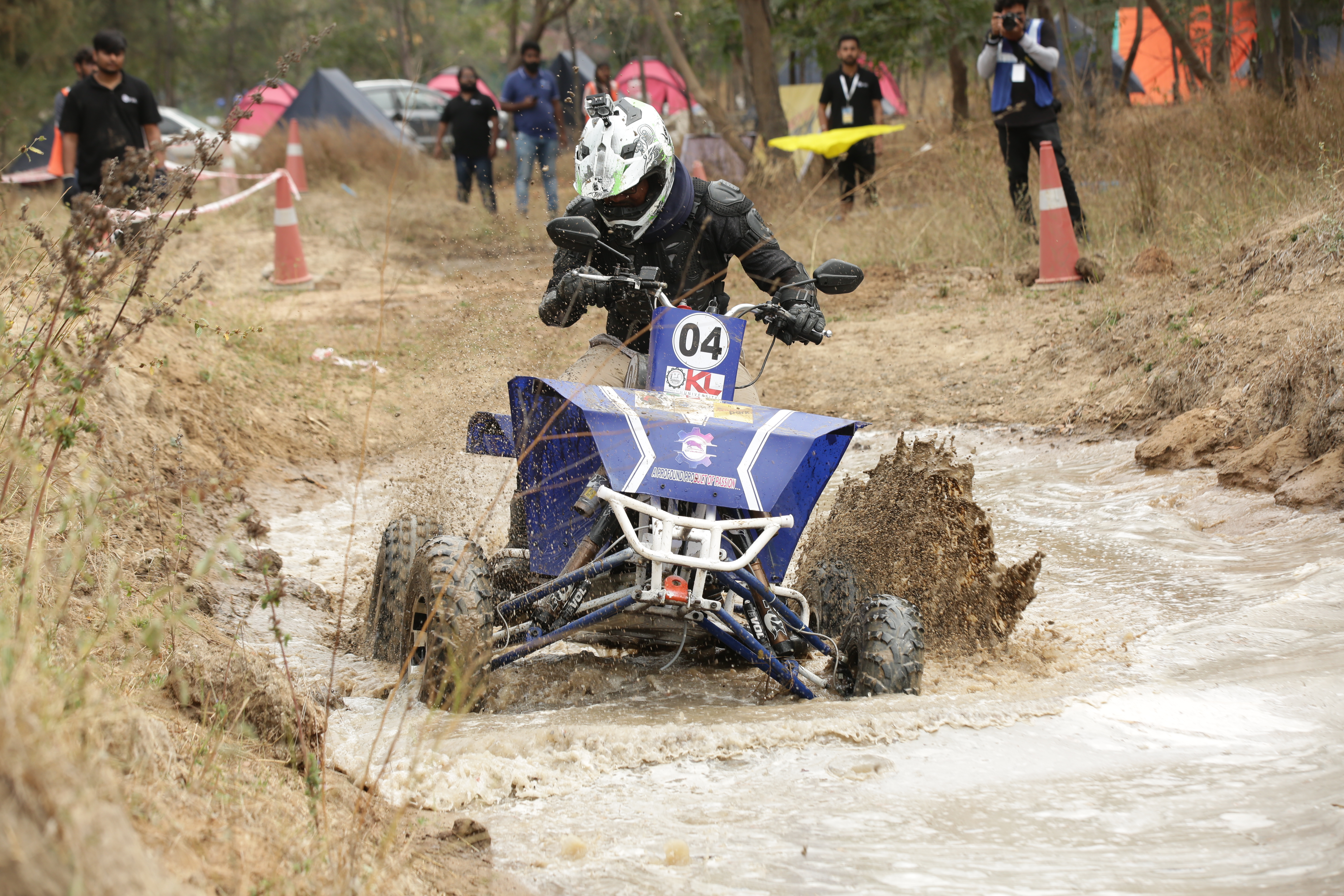
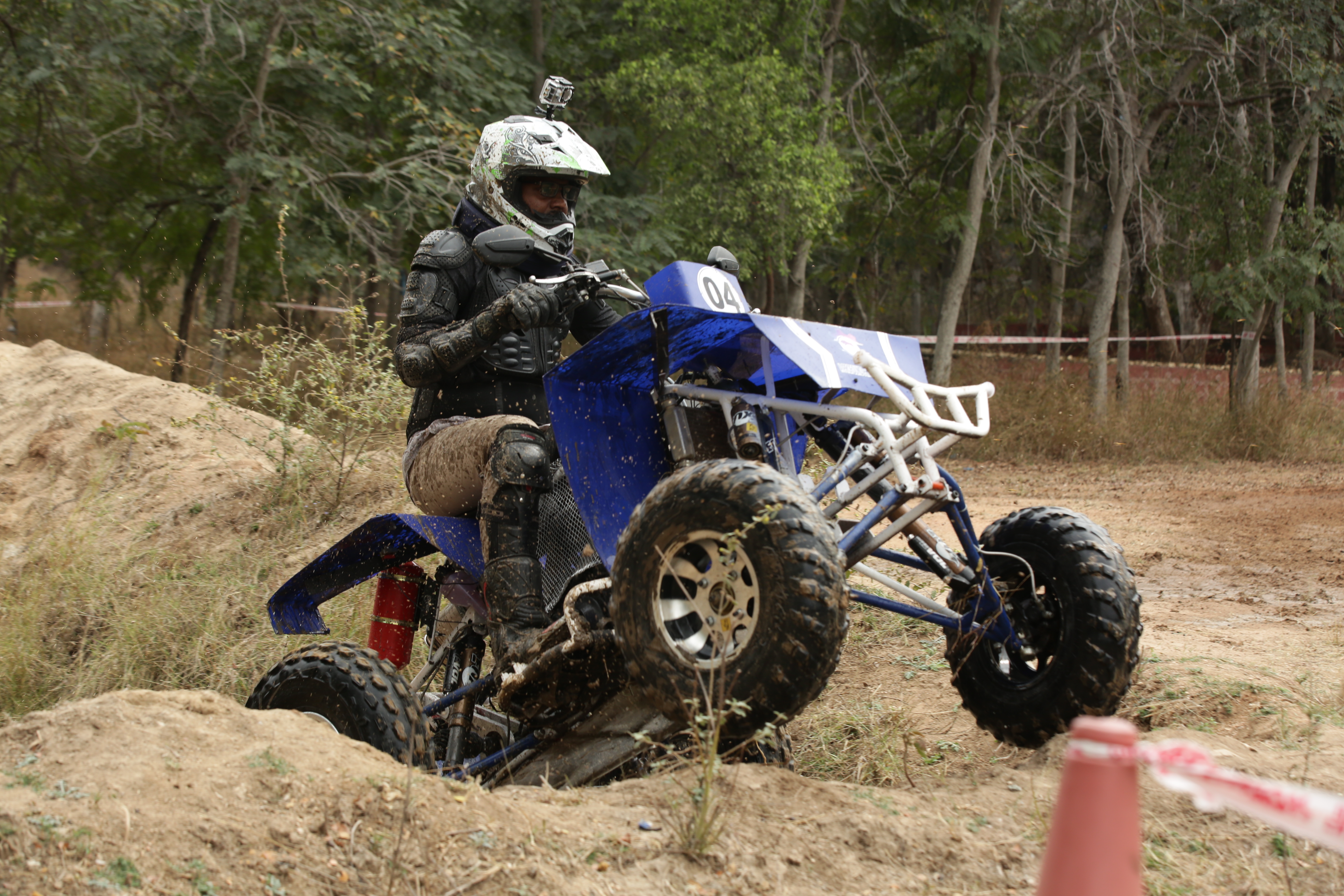
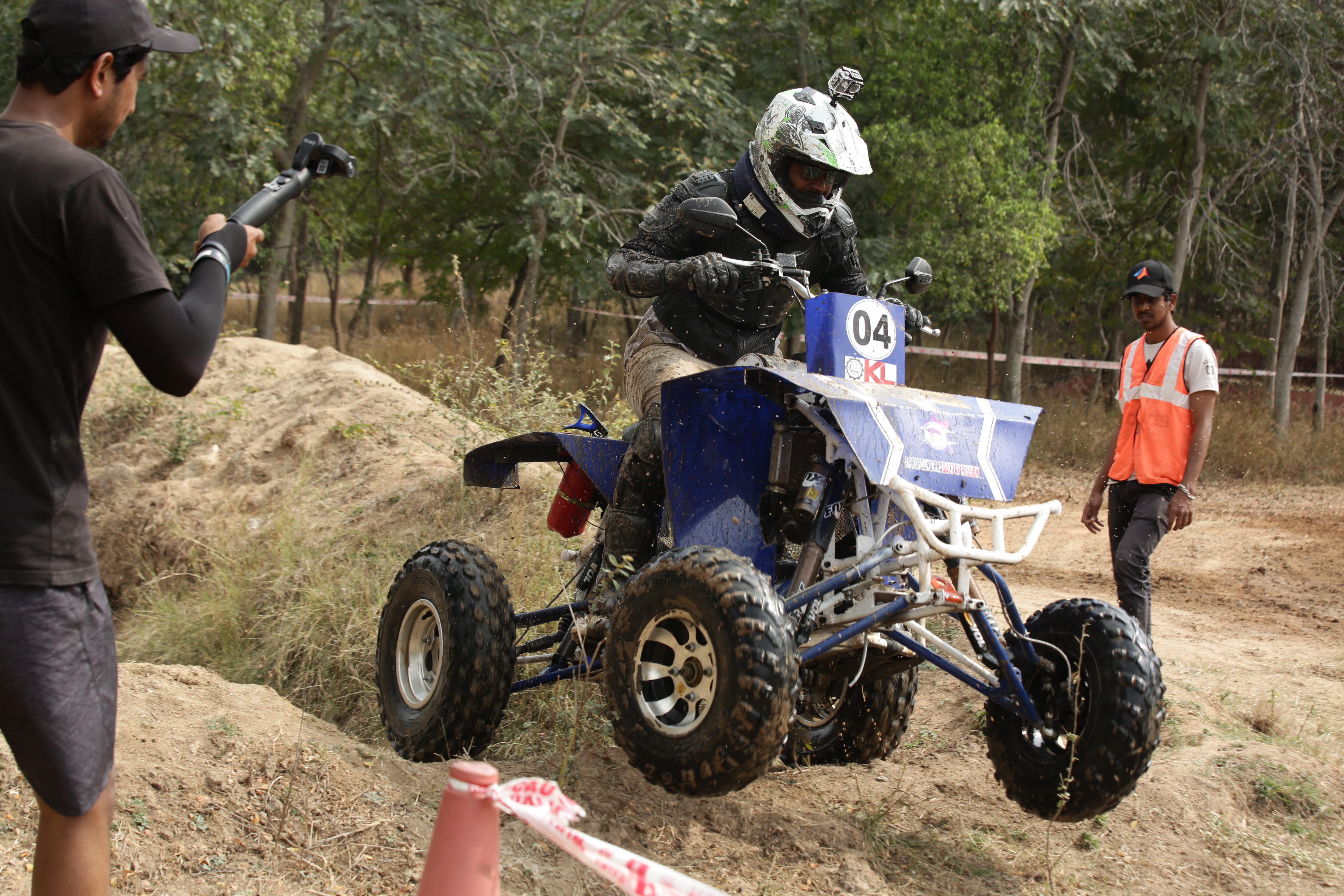
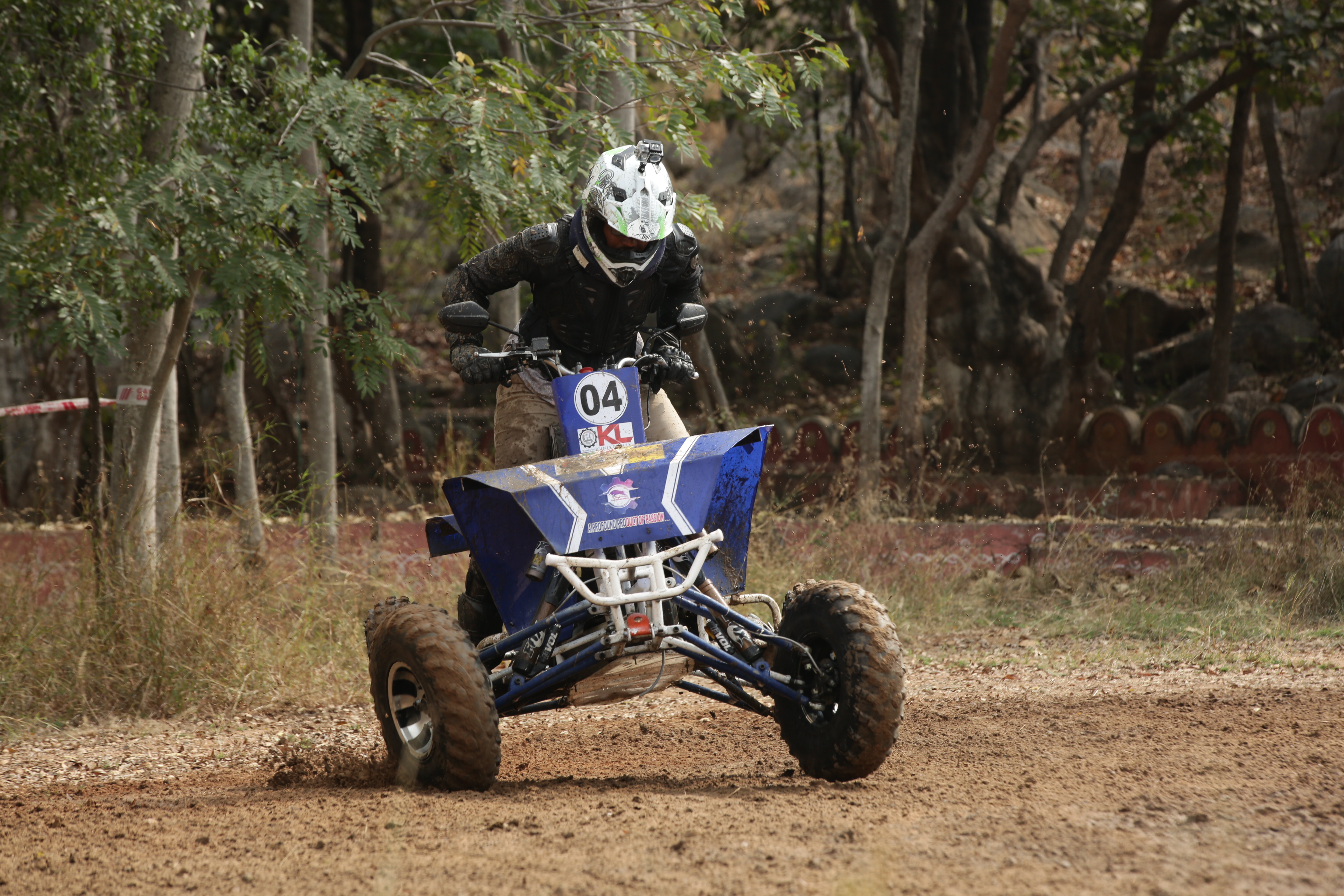
My journey to redefine quad bike standards was a testament to resilience, innovation, and the relentless pursuit of excellence. Over two years, I embarked on a project that not only aimed to challenge the status quo in all-terrain vehicle engineering but also to embody the lessons learned from past experiences.
| Specification | Detail |
|---|---|
| Chassis | Seamless Tube |
| Wheelbase | 1130.5mm |
| Overall Length of Vehicle | 1700.276mm |
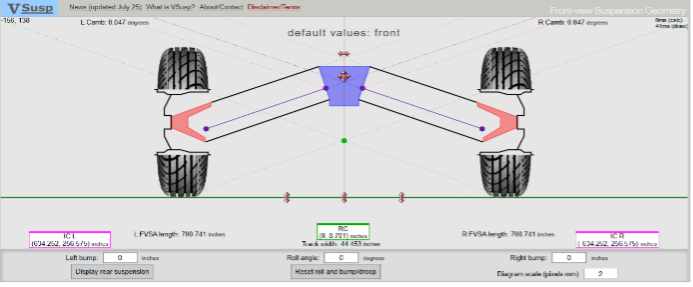
| Track Width (Front) | 1117.6mm |
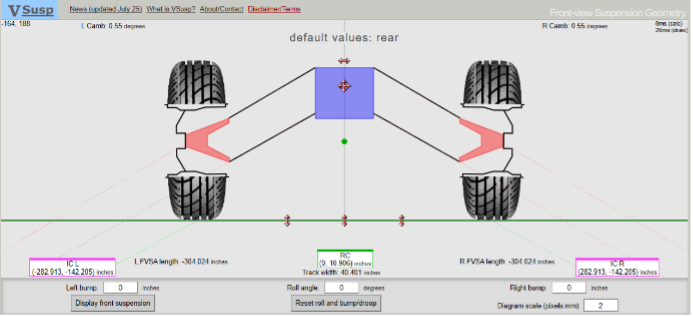
| Track Width (Rear) | 1016 mm |
| Type of Engine | 250CC |
| Tires (Front) | 23*7*10 |
| Tires (Rear) | 22*8*10 |
| Mass of The Vehicle | 210 kgs |
| Ground Clearance | 330.2mm |
| Parameter | Value |
|---|---|
| Caster Angle | 50 |
| Tie Rod Angle | 3.940 |
| Track Width | 1200mm |
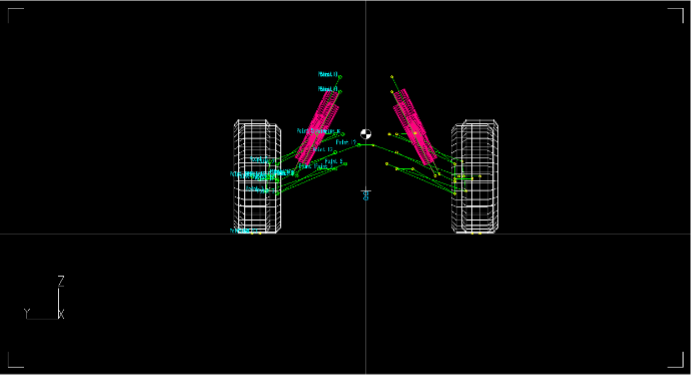
| Wheel Diameter | 502.8mm |
| Length of Knuckle | 171mm |
| King Pin Inclination | 70 |
| Upper A-arm angle | 6.3690 |
| Lower A-arm angle | 3.1930 |
| Caster Angle | 50 |
I utilized SolidWorks to design critical components of an All-Terrain Vehicle, including the chassis, wheel knuckle, hub, and suspension systems. I carefully selected materials that provided the best balance between durability and weight for optimized performance. Through meticulous design and analysis, I ensured that each component would withstand the dynamic forces encountered during operation, employing rigorous simulation tests to validate their effectiveness and safety.
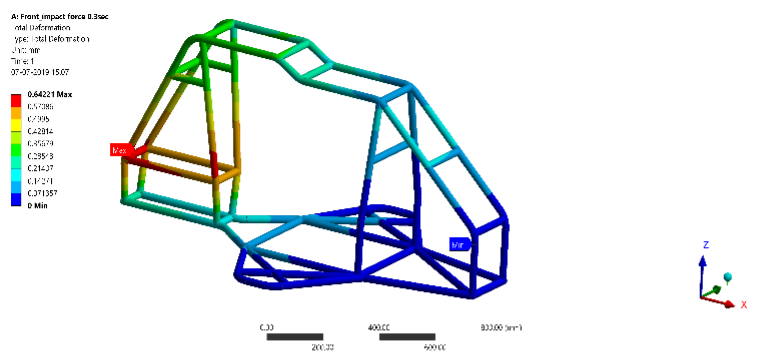
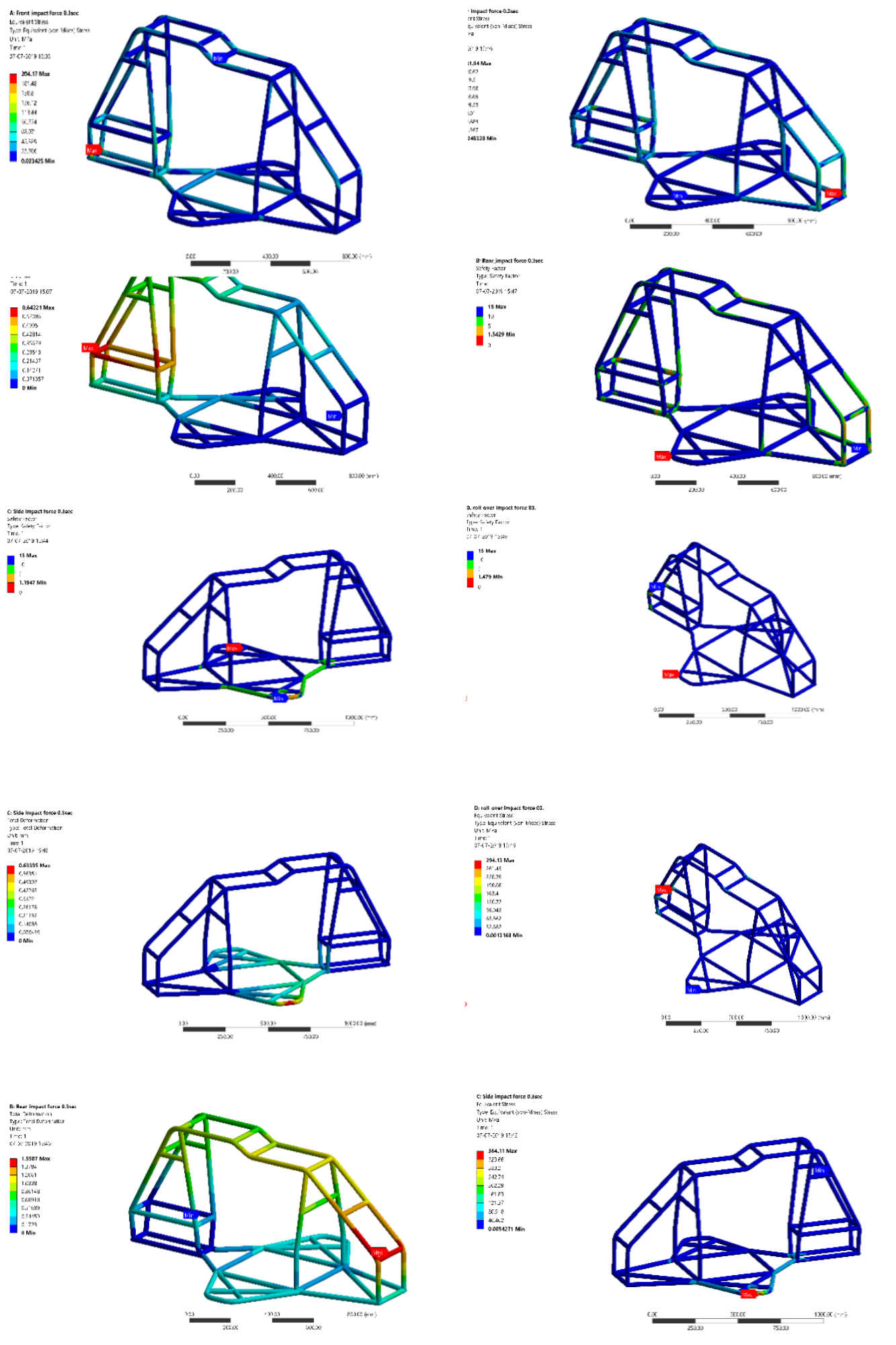
I chose AISI-4130 steel for the chassis due to its excellent weldability, strength, and cost-effectiveness, which are crucial for both the manufacturing process and enduring the rigors of competitive racing. This material was specifically selected to enhance the vehicle's performance by optimizing the weight-to-strength ratio, crucial for the structural integrity and dynamics of the ATV. Extensive simulations in ANSYS confirmed the material’s suitability, showing robust performance under various stress conditions, which was vital for ensuring safety and durability.
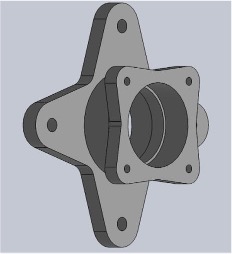
For the critical components like the wheel knuckles and hubs, I selected aluminum alloy 7075-T6, known for its exceptional strength-to-weight ratio and excellent fatigue resistance. This choice was driven by the need for lightweight yet durable materials that could endure high-stress conditions without compromising the vehicle's agility. Aluminum 7075-T6 also offers superior corrosion resistance and ease of manufacturing, making it ideal for the high-precision requirements of hub and knuckle components in competitive racing environments.
Chassis :
The chassis design was centered around maximizing strength while minimizing weight, leveraging the properties of AISI-4130 steel, known for its excellent strength-to-weight ratio. Using SolidWorks for initial design and ANSYS for simulation, I conducted extensive Finite Element Analysis (FEA) to ensure the chassis could withstand the dynamic loads typical of rugged racing environments. The analysis included stress tests, deformation checks, and safety factor calculations. I specifically focused on ensuring even stress distribution across the chassis to avoid any potential points of failure. The simulations helped in optimizing the geometry and thickness of the chassis tubes, ensuring they provided enough rigidity while maintaining flexibility to absorb shocks and impacts effectively.
Wheel Knuckle and Hub Assembly:
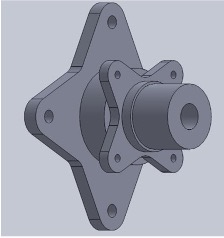
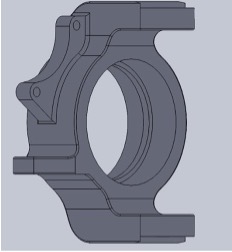
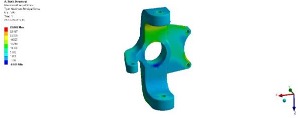
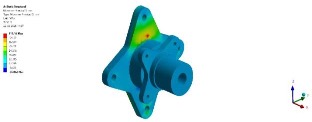
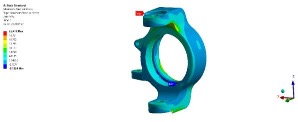
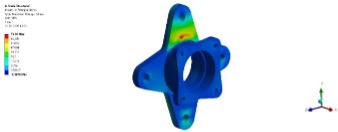
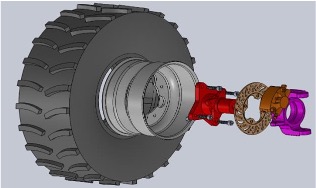
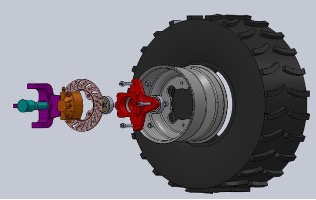
The wheel knuckle and hub assembly were critical in translating steering inputs into movement while bearing the load of the vehicle. For these components, I chose Aluminum 7075-T6 for its superior fatigue resistance and lightweight properties. The design process involved detailed CAD modeling followed by structural simulations to assess the response under various load conditions, including cornering, braking, and bump loading scenarios. In ANSYS, I performed stress analysis to evaluate the impact of high-load situations on the knuckle and hub assembly. This was crucial for determining the durability and operational reliability of these components. Each simulation incorporated real-world operating conditions to validate the design under maximum expected loads, ensuring that the knuckles and hubs could withstand the stresses without yielding or failing.
Integration and Performance Optimization:
The integration of the chassis with the knuckle and hub assembly was meticulously validated through coordinated simulations. This included analyzing the interaction under load to ensure that the assembly worked harmoniously without overstressing any single component. Special attention was given to the points where the knuckles attach to the chassis and where the hubs mount to the knuckles, as these are critical for the vehicle's steering and handling performance. I also optimized the material thickness and joint configurations to enhance the overall performance and ensure seamless energy transfer throughout the vehicle structure, minimizing energy losses and maximizing response time and handling precision.
Our path to success was shaped by adversity. Participating in two national-level events and facing losses by narrow margins was a turning point for our team. These experiences, though challenging, were invaluable. We embraced these setbacks as opportunities for growth, meticulously analyzing our shortcomings and integrating these lessons into our design process. This resilience and determination to learn from failure culminated in the development of a product that not only faced adversity head-on but also triumphed, securing a place on the podium. This journey underscored the critical skills we honed through adversity, proving that failure is not a setback but a stepping stone to success.
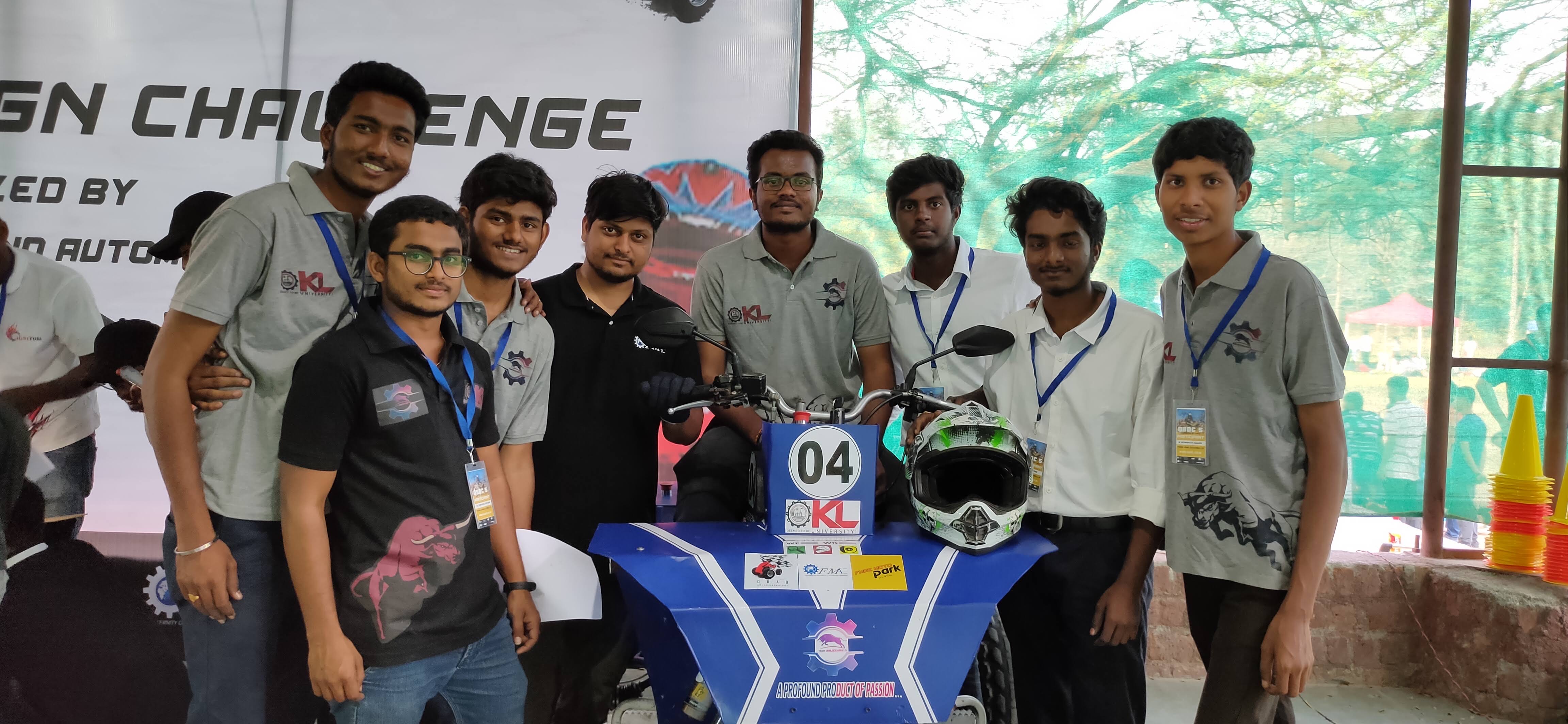
National Champions in QBDC by FMAE 2020.
This project was a bold statement in automotive engineering in India, integrating advanced materials with innovative design and precise analysis to redefine quad bike performance and safety.
The recognition at the Quad Bike Design Challenge 2020 was a testament to our hard work, innovative spirit, and the invaluable lessons learned from previous setbacks.
Copyright © Karthik. Made by Sai Karthik Reddy